


Problem: Mental Health Engagement Gap
Engagement with mental health supports has historically been low – even when services are available.
In recent years, factors such as social isolation, economic stress, and disruption to daily life have further increased levels of stress, anxiety, and emotional distress. At the same time, many individuals remain disconnected from the supports available to them through employers, institutions, and care providers.
A CAMH survey (January 2022, ~1,000 participants) found:
- 25% experienced moderate to severe anxiety in the past week
- 25% reported binge drinking in the past week
- 24% felt lonely in the last week
- 22% felt depressed in the past week
Despite growing need, engagement with mental health resources remains inconsistent and often reactive rather than proactive.
What is BeWell?
The MEMOTEXT BeWell Mental Health Navigator is a clinically validated, text-based engagement program designed to increase awareness and utilization of mental health supports.
Developed in collaboration with leading clinical and academic partners, BeWell enables employers and educational institutions to connect individuals to relevant, timely, and personalized mental health resources – including those already available through existing benefits and providers.
Validated through an ongoing CIHR funded study, BeWell supports population mental health at scale through simple, accessible digital touchpoints.
BeWell is an inclusive SMS-based program that:
- Provides routine mental health check-ins
- Delivers personalized tool and resource recommendations
- Shares ongoing wellness tips and supports
- Continuously improves through iterative design and user feedback
Engagement at Scale
BeWell is designed to drive sustained engagement – not one-time interactions.
Using cultural and demographic insights, users are matched with relevant tools shortly after enrollment. Ongoing weekly messages introduce additional supports and reinforce awareness of available resources.
Built-in feedback loops allow the program to evolve over time – improving personalization, relevance, and overall user experience.
The result: increase engagement with mental health supports that already exist but are underutilized.
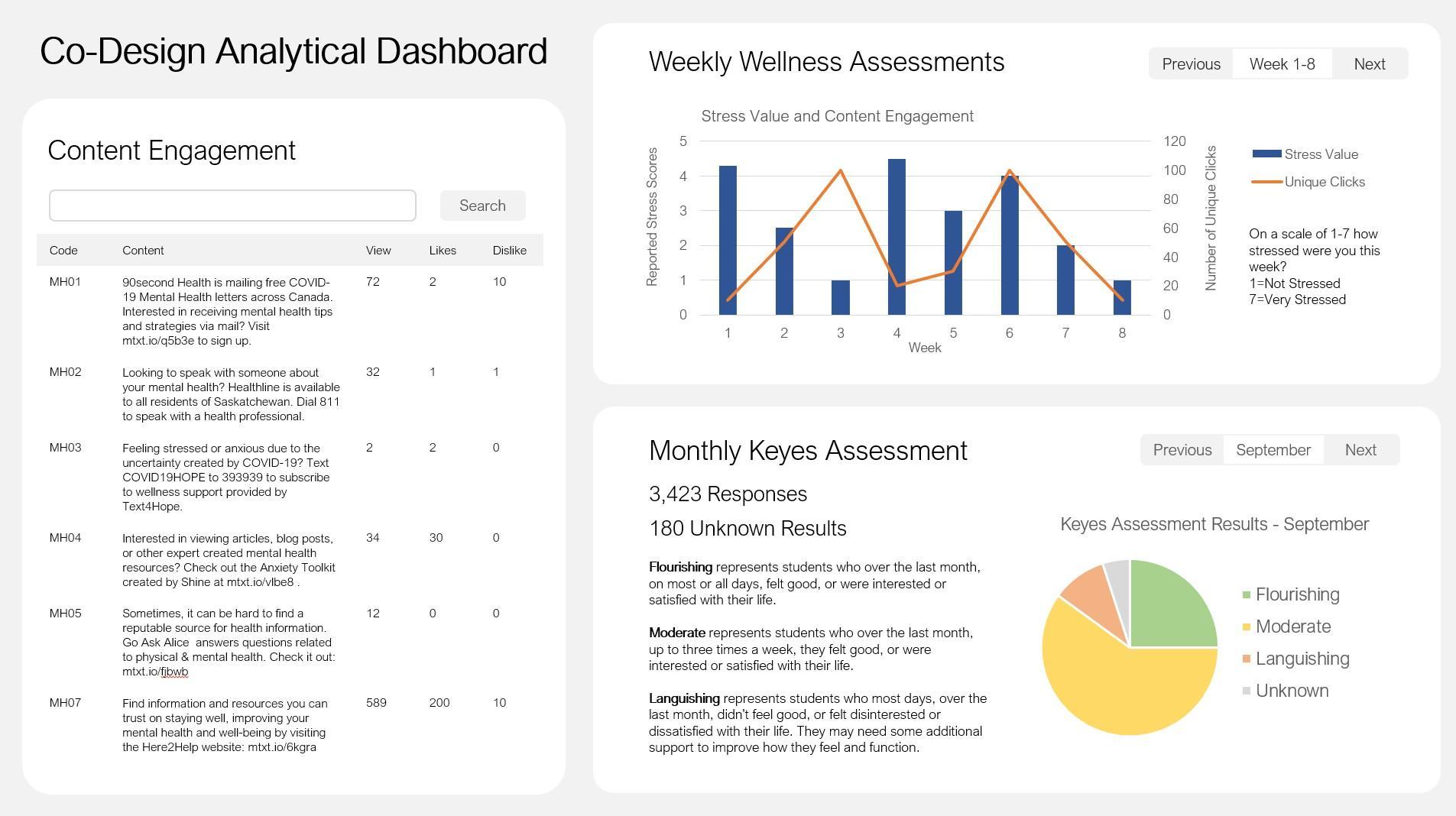
Outcomes
BeWell has demonstrated:
- Positive impact on well-being and self-care
- A majority of participants reported that BeWell provided helpful wellness reminders and support
- Improved awareness of mental health resources
- Participants indicated they were connected to resources they were not previously aware of
- Accessible, low-barrier engagement model
- Users were able to engage with BeWell through simple, SMS-based interactions
- Integration into daily routines
- Participants reported that resources could be incorporated into their workday
- Strong relevance among high-need populations
- The program engaged clinicians experiencing high levels of burnout (45% reporting ≥ 1 symptom)
The Team
BeWell was co-created by:
- University of Saskatchewan
- Centre for Addiction and Mental Health (CAMH)
- MEMOTEXT Corporation
The program is grounded in a CIHR-funded research initiative, led by Dr. Tracie Risling and Dr. Gillian Strudwick, and reflects a strong foundation in clinical research, implementation science, and digital health innovation.
Resources
Publications
Presentations & Videos

Media
- Global News Dr. Tracie Risling – ‘Be SaskWell’ text-based service helping people
- CBC Listen: Be SaskWell: New USask text-based service offers mental health supports
- The Conversation: Texting for Wellness: Using digital mental health tools for support in another COVID-19 winter
- Canadian Healthcare Technology: New digital mental-health tool from MEMOTEXT